Rolfer, Dancer, Teacher

Archive for the ‘Self-Care’ Category

Loving All Of It: Embracing Exploration at a Gay/Bi Men’s Tantra Retreat

CW: sexuality, boundary violation, scatalogical

“Everyone should get to experience the camaraderie of gay men at least once in their life.”

This was the support my friend Amber offered when I shared with her that I would be attending a Tantra Retreat for Gay and Bisexual Men. I was talking to Amber about this because I felt shaky in the decision. I wasn’t unsure that I would go but I had a lot of uncertainty about why I was going.

In November I’d seen a post about the Triangle Gay Men’s Tantra Group and a little light went on within me that softly said “That. There’s something here for us, look into it.” I’d contacted one of the organizers and after a little back and forth had surprisingly landed on a 7-day immersion in Zipolite, Mexico as the point of exploration. After years of making peace with the feminine, I was feeling called to engage more deeply with the masculine.

This isn’t entirely new for me. I’ve been a seeker most of my adult life. After reading The Art of Happiness at 20 and realizing I didn’t feel remotely that good, my fate was sealed. So I had some trust in my instinct to attempt this even though I didn’t have a lot to go on in terms of why.

Men aren’t an entirely new territory to me. At age 10 I remember thinking if I was seeking a soulmate it seemed silly to immediately count out half the world’s population. I’ve had a few rounds of attraction with specific men throughout my life but nothing that ever developed a significant depth or physical connection. And actually leaning into this exploration had resurfaced the memory that my first playing-at-sex experience was with another boy somewhere in elementary school. Over several sleepovers we found ourselves repeatedly acting out a scene from Police Academy 3 until we were admonished about locked doors and the play stopped without discussion. So I wasn’t totally out of my depth but attending this retreat still felt like going from the kiddie pool to deep free diving to attend this workshop.

And this leads into the first stage of healing that started as I leaned into considering this workshop: bringing to light the stories I had unconsciously taken on about relating to men and then healing, altering, or discarding them accordingly. The following is a short list of the more poignant stories I encountered and got to work with even before setting foot on an airplane.

  • I will be ostracized for trying something new with my sexuality. – This one was up hard in the beginning and it was scary to share with friends and colleagues and clients that this was something I was going to do. I didn’t have any rejecting experiences though and after a couple dozen of these conversations the fear simply faded. I’m clear that it’s a real possibility and at the same time I’m not bracing for it anymore.
  • I won’t be gay enough or being somewhere in bi territory won’t be accepted by gay or straight culture. – I heard this story a lot growing up and the movie Chasing Amy felt very reinforcing of the reality some face. In the end I realized I’m trying to be emphatically authentically me, not fit into a box to be accepted, so this one kind of feel by the wayside on it’s own (and everyone ended up being super accepting and welcoming anyways).
  • Straight women will be massively turned off if I’m anything other than full straight. – I have a vague memory of some comedian doing a bit about how no woman wants to come home and find her husband with another man. This one got turned on it’s head pretty rapidly as every woman I talked to was either super supportive or jumped straight to telling me how hot they thought men being with other men was.
  • I can’t back out of the exploration if it turns out to be not my thing (The actual wording in my head was “I can’t get un-fucked in the ass.”). – This one is a bit more nuanced but also kind of futile. The reality is I can’t undo anything I’ve done from sexual relationships to the brand of cereal I buy. And the idea that I can’t decide out of something if it’s not for me has been disproven many times in my life. But still sexuality can be a particularly charged exploration so I got to sit with this story for a while too.

With all this stewing I also decided to onboard myself for the workshop by getting several one-on-one sessions with each of the instructors. This was a huge boon to processing, both to give myself a chance to feel them out and make sure I felt ok to be in a 7-day container with each of them and to give them a chance get some better sense of me since I was coming to this with plenty of prior tantra experience but no men’s tantra and in a place of questioning rather than certainty. While this pushed some buttons and meant my schedule felt overpacked for a bit, I think the sessions made a huge difference for my eventual experience in the retreat. The sessions creating comfort with both instructors and achieved some understandings of each other that we otherwise would have had to spend half the workshop building. I can also strongly recommend both Steve and Benji‘s work though for quite different and complimentary reasons.

Pre-Retreat
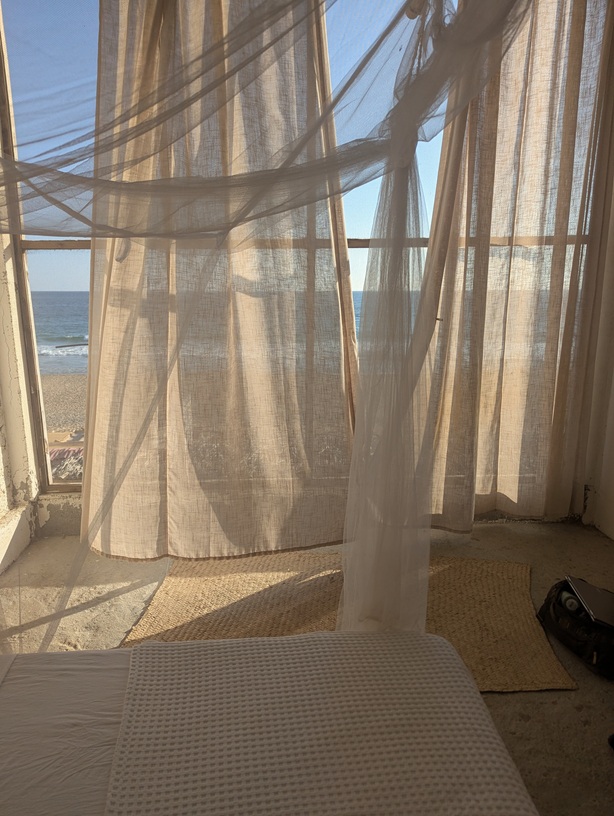
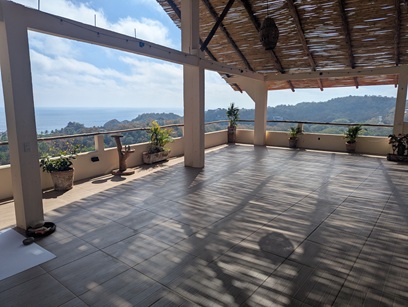
Sheer curtains lightly obscuring a screen looking out over the ocean

I arrived in Zipolite on the heels of a birthday party in New York. A dear friend had had a birthday weekend and in the course of that weekend my sense of belonging got turned inside out. I had an experience where my internalized story rewrote itself from “I don’t deserve to be here” to “I deserve to be here so bad it hurts”. The birthday boy cheered me on and then drove the point home by having a bunch of friends at the party reflect to me just how much of a difference my presence made to them and how I didn’t have to keep trying to belong. It was both deeply healing and also had drained my emotional tank. So when I arrived at my Airbnb with this gorgeous view of the ocean it struck me that I had a few days to just be with myself and drink in stillness before whatever madness would ensue at the retreat.

Over the few days leading up to the retreat I rested in a deeply allowing fashion. Yes, I was in Mexico for my first time. Yes, there was an ocean 50 feet away. Yes, there were a myriad number of “should’s” in my head about things I could be doing. And I thanked all of them and I opted to be rather than do. I followed the rhythms of my body, sleeping when it wanted sleep, swimming when it wanted buoyancy, sunning when it wanted sun. I ate only when I felt called to it and for those few days my system got quieter and quieter and I felt something in me begin to heal. There were trials with getting luggage to the retreat center, there was a slight maze to find the breakfast place I’d decided on trying, and it all slowly blended into a deeper calm than I’d let myself have in some time.

So when I rolled into the first afternoon of the retreat I was already deeply immersed in the primal rhythms of the sea, the sun, and the myriad little critters that went about their lives unconcerned with human territories. I was deep enough in the space that I was starting the retreat from a standpoint that maybe interacting with people was going to get in the way of what I was here to understand. This faded quickly as I got into the group rhythm but as I’m looking back on the experience it was also a pivotal moment in recognizing how much I could get out of just listening to the world around me at large.

Golden Nuggets

At this point I’m going to let go of the fully linear narrative because it’s hard to parse out the experience day by day. Instead I’ll offer an idea of one or two of the golden nuggets of wisdom or growth I experienced each day. I say this just also to note that each of these nuggets had a lot of support around them from the fellow students as well as the course and instructors.

Day 1 – What If…

The first night we did an exercise where we were given a bunch of pieces of paper and asked to write repeatedly from two prompts. “I am” followed by some way you perceive yourself or an archetype you embody and “I intend to” followed by something you intend for the week. The first few “I am”s were rather innocuous and unchallenging, “I am a healer”, etc. Then my mind pulled something darker “I am a doormat” and I had a choice to make. I could skip over the doormat and go on to the next more palatable thing I could write, or I could welcome the instinct and see where “doormat” took me. For the next few minutes I just let statements pour through my pen. I don’t remember what I wrote and I don’t think it matters. What did leave a lasting impression and shaping for the week though was the last card I wrote, unpredicted words that simply and complexly said “I intend to love all of it” and then compelled me to circle several times the “Love All”.

We also did an exercise called “What if” in which you were supposed to name what if possibilities for yourself then put on a posture like they’ve already happened and let the group experience you in that state. Admittedly, the exercise didn’t especially resonate with me but that night I woke up with the thought “What if I let the group run a train on me?”. If you’re not familiar with the term the essence would be what if I let everyone in the group penetrate me over the course of a single interaction. Kind of a 0 to 120 mph question and probably beyond my capacity but my mind offering up this question felt pertinent so I decided to let the idea sit and see what might be behind it. More on that in a few days.

Day 2 – So Much Love

We spent the morning working with Betty Martin’s Wheel of Consent. I’ve explored it a few times in past, but having the wheel done up in tape on the floor 10 feet wide leant itself to a deeper kinesthetic connection to the material. It’s a subtle nugget but I found my understanding deepening into embodiment and also found a well of grief for the times on the wheel when I’ve been accused of things on account of others’ triggers and had to accept not being seen in my presence.

The night’s practice was Ecstatic Body, working with sensation to stir and direct vitality in the system. In one of my pairings I was given a head scratcher tool and was using it on my receiving partner without any direct skin-to-skin contact. I was just doing my thing as best I could and the session seemed to go well but without an obvious charge to me. When we finished though my partner looked at me with a sense of awe and said “Oh my god. There was so much love…” I didn’t realize it at the time but this was the start of an increasing cascade through the week of men reflecting to me how much they saw in me and how much I seemed to be naturally offering throughout the retreat.

Day 3 – Weaving the Matrix

The morning’s big exercise was to connect as a pair with each man at the retreat and create space to check in, discuss the status of each connection, clear anything that was unsaid, and name the greater context that each individual connection was being influenced by. My first hit was surprise at how many people said they took note of my presence and way of being. The number of reflections of my loving presence grew. And then towards the end I started to notice a subtle trend of holding back. One man had been worried I might be bothered that he got a bit turned on in one of our pairings. Another wanted to get to know me more but feared burdening me with questions. The theme of holding back the last 5-20% of desire seemed pervasive and as I sat with that, my “what if” from the first night began to shift and clarify towards an intention.
By this time in the retreat I was no longer wanting to leave the center during the afternoon break. I took to hanging in the pool having delightful conversations with my compatriots. As we were reflecting on the morning’s exercise someone mentioned the sense of expansion they saw and felt in me. Almost together we came to the wording of “It’s like you’re(I’m) getting a bigger cup”. It was like completing a loop from years ago when I wrote this article.

Day 4 – ???

Tuesday night’s practice was prostate massage. This is a comfort zone for me because I have a lot of practice with presence, confidence, and steadiness as well as a better than average understanding of the anatomy. I’ll brag on myself and say I’ve been many female partner’s guide into anal play being pleasurable (a friend once labeled me an anal sherpa) so aside from the addition of a prostate this was going to be an easy space for me to embody. I was paired with a man who had expressed attraction to me earlier in the week and because I wanted room for integration after receiving I offered to give first. The session was great, I did awesome work and then a line got crossed. In the aftercare section of the session I was snuggling in to help him ground and without discussing he put his hand behind my head and pulled me in to kiss me. In a split-second decision I let my Healer archetype take the lead and allowed the kiss because it seemed pertinent to his experience. And in that moment a part of me splintered because I had specifically told this person I was in a deep exploration and feeling practically asexual at the time so I would be happy to continue getting to know each other but I wasn’t available for a physical connection. And in the way that shock can do, part of me froze up with this conundrum that had just occurred.

So with this subtle freeze and an uncertainty of how I wanted to meet this incident I submitted to receiving from this person. I requested external only work because that was the message I was getting from my body. Through the session multiple times I asked him to slow down or spread out his touch and he’d hear me and comply for 20-30 seconds and then go right back to the speed and directness he had been doing. I’m familiar with this complaint from clients about other bodyworkers who either ignore or barely meet a request before falling right back to their comfort zone but it had been a while time since I’d experienced this kind of lack of presence. After several rounds of asking and being only briefly met I found myself thinking “God damnit, is this going to be another non-attentive person that I have to defend myself from?”. I did some breathing and directing my energy, trying to lean into the resistance and finally as things started to move I found myself yelling “Stop!Stop!Stop!” and after he took hands off the charge finally started to move. What came through was a holding from a variety of times in my life when I felt threatened but couldn’t run. It was intense to the point where I ended up having to stand up and run circles around the room to burn through some of the charge. After this settled I could barely tolerate touch for the rest of the evening and retired to bed without much conversation.

Day 5 – Shame Monsters

On the morning of Day 5 the “what if” from the first night was coalescing into a resonant idea. My first Tantra teacher talks about her highest calling being to be a Lover. While this has rung true and lovely to me in an academic sense I hadn’t truly felt that calling before. But as I mulled over the holding back I felt from the group during the Matrix exercise I feel like I got a hit of why I had been called to this group. There was plenty I was getting out of the experience but I started to feel that I’d been led to this group to help support opening to a next level of freedom. So the idea coalesced into planning for the next day’s free time that I would simply offer myself to the group as a Lover. I would sit for 3 hours in the classroom and simply be there to hold space for anyone who wanted to come and receive from me. The prompt to the receivers would come from the previous week’s birthday boy “What is your deepest, juiciest desire in this moment?”. It was a revelatory idea to feel into, both exciting and scary in the ways it brought me to question my own capacity.

The morning’s session focused around shame and sharing what we’ve held back. I’ve been working with a mantra around these ideas for the last year or so “What am I trying not to feel?”. I’ve gotten a lot of mileage of out that question and it’s evoked a lot of growth and change in my internal landscape. So this was a space where I think I approached the exercise differently from some of my classmates. I didn’t find big stories to uncover but rather spun through the smaller failures and misses of the last year. What I found in this exercise was “Honoring the pause”. Where it’s easy to keep verbally spinning out a story I started noticing with more nuance the places where I could pause my words, feel what was present, and experience movement of the emotions faster and easier. I also got to be the person to break the ice for the group when it came to sharing times when we’d been the source of shame. I told the story of unintentionally coercing an ex into sex and then the distress we both experienced and talked through with each other afterwards. I talked about how our honest discussion clarified that the the experience wounded both of us and helped us both see where we could repair ourselves to avoid breaks like that happening in the future. After my share stories started to pour from the group and I got to witness my brothers deeply expressing their vulnerability and pain. Benji mentioned that often someone becomes the conduit for the group, a foreshadowing that I’ll be more aware of in the future.

There was a beautifully simple meditation at lunch where shrimp was served. They hadn’t been deveined so I sat slowly splitting the backs then removing the vein and got to show someone else how to do the same. I got several reflections of how my intentionality around food affected people watching. Then after lunch I shared some story and learning techniques with a classmate who said that shared experience had just made the whole week worthwhile for him.

The final exercise of the evening was titled Energetic Fucking. In essence this is sex but engaging with energetic intention rather than physical. I’ve done a decent amount of this with women but hadn’t ever tried it with a man. I was fortunate to be paired with one of the professionals in class, a super lovely and loving man who I’d connected with prior to the retreat. We started with me mostly receiving which went well although it took a little more attention than I’d like. No complaints, just an awareness that it was pushing my growth edges. Like an skill, directing my energy takes some focus for me to maintain engagement and awareness when I’m leaning into something new. Having a skilled and patient partner was really helpful for dropping into a deeper level of receiving and reciprocity.

When we switched and he lay down I found myself being called to offer something special. I had watched all the care this man moved through the retreat with, all the spaces he’d offered support and something was calling me to make sure he was feeling as much or more care back. I slowed down, put on an energy that said “I’m in charge now” and climbed on top. Past this I honestly feel like I dropped into a deeply instinctive space where time dilated and we emerged with something intense having occurred but only soft impressions of what had ensued. What was clear was that something big had moved for my partner. He looked at me like his heart was bursting and said “I don’t know how to hold this much love.”. I’d had multiple times this week where someone said something to me that needed a special response. So I trusted my instinct and let my mind go soft. The words that came out in response were “Don’t try to hold it. Let yourself be a river overflowing it’s banks and piece by piece let the flood waters erode your banks until the riverbed widens and widens.”.

Day 6 – Being vs Doing

Around midnight I awoke with a very urgent need to poop. I took just a little too long locating my portable bidet sprayer in the dark and I missed the gate, getting a bit on the floor and a streak on my calf before I got to the toilet. In a curious way cleaning this up became a devotional and an act of gratitude. I amused myself thinking I could also tell my partner who’d had something similar happen in Peru that now she wasn’t the only one to have pooped on herself in Latin America. At this point I was unsuspecting of what was to come, probably the most significant GI clearing I’ve experienced in my life. Over the next 16 hours I was probably to the bathroom every 15-20 minutes with diarrhea and one early massive bout of vomiting. What I also woke up with as I nursed my body through the night was various play-throughs of what it would sound like to confront the man who had forcibly kissed me a few nights earlier.

That morning we were given the opportunity to close out anything that was left unfinished with anyone. I took this person aside and told him I no longer was interested in any connection with him at this time. I let myself feel my anger as I told him about the number of times he’d made things about him rather than getting to know me and where I felt treated as an object rather than a person. I also put it to him that I’d now become the conduit for the group’s abuse conversations yesterday and had spent the night shitting my brains out because of it. I let myself seethe and then I did my best to walk away and let it go. After I returned home a friend I was telling this story to would asked if this experience had ruined my trip or soured the whole thing. I took a beat and realized that not at all, in fact the push to take a stand for myself had made this whole chapter deeply empowering and overall felt like a positive experience. I also got some self reflections of ways shadow aspects might have influenced this ordeal and a clear sense that bringing things to light rather than punishing felt like the way forward to healing.

I muddled through the rest of the morning weaving my way from bathroom to class to bathroom again. I let the group take care of me with food, meds, words of encouragement etc. I made it past lunch and got a nap which was enough to get me to 60-80% for the evening. I mentioned this to someone going into the final big session and was told “I’m pretty sure your 50% would still be pretty damn good.”. We did 4 rotations of giving in various forms. Each turn felt more poetic and meaningful as we rotated and then I landed with a friend for the final rotation. He had a simple but specific request, just attention to two places and said he’d asked everyone else to touch him there so far. The tone of his request seemed almost a little pleading to me like noone had fully met him in his ask. So for 20 or more minutes I just cradled his head and touched him where he asked to be. For 40% of this time it felt like nothing happened, and I expect this is where other rotations may have fallen off, but I chose to just keep staying with him where he asked, cycling out briefly when an edge called for attention and then back to his request. It felt like nothing might move and I just stayed with it. I again feel like I blacked out some but in the final few minutes something moved. I don’t remember what was said or done after the session, I just remember the look of relief on my partner’s face and the softening of someone who had just been unburdened.

Day 7 – Serendipity On The Stairs
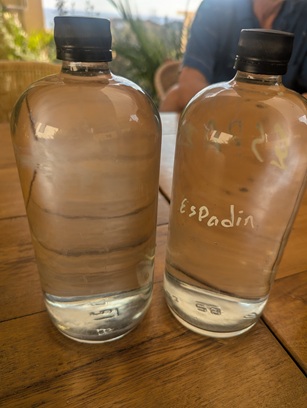
Two single liter bottles of clear Mezcal. One is labeled Espadin, the other unlabeled is Madre Cuishe

The final morning of the retreat came to a soft close with a series of staggered goodbyes and poolside conversations. I was briefly tempted to go into town or to the beach but opted for discretion as the better part of valor and continued to rest from the previous day’s ordeal. I made one small excursion halfway down the hill to buy some backyard Mezcal as a medicinal anchor of the trip to take home. Otherwise I shuffled towards packing and dipped between bed and the pool for most of the afternoon. I also took note of the comings and goings of the staff and other retreat center guests as our group began to dwindle and a group of French Canadians began arriving for a yoga retreat.

I have spent years of my life being in motion to move things forward and it was a lovely space to just be still and let the world move around me. Food and medicines showed up from the group including surprising banana types that I’d never tried before and something subtle felt like it was settling into a deeper alignment.

After a day of ease I was headed to my room around 8pm to pack with an intention of getting up at 5:30am to share a cab to the airport 1-2 hours away depending on road construction. As I was starting to descend the stairs to my room one of the women from the next retreat was ascending. I said hi and asked something seemingly innocuous like “how are you doing?” and she burst. I don’t remember exactly what was said but three things stood out: she was overheating and couldn’t get her body temperature to regulate, her mind was churning incessantly, and she was wondering if she could even functionally be there and if she should just go home. I made a flash decision and softly asked if she wanted support. She said yes so I directed her up to the yoga platform and got her laying down on the cool tile with a fan blowing on her.

I’ve always tried to maintain an adaptability about my body mechanics when I work and this session I was well served by my adaptive capacity. I lay belly down on the floor and cradled her head and neck to start unwinding some of the torques there. As we made progress I felt her system start to relax and she began offering more information about traumas that had occurred the last time in Mexico and some broader context of how much was stirred up for her. I continued to listen and in bits and pieces she started to shake. Being familiar with somatic release I kept steady space for her and continued to let the waves of shaking grow, gently encouraging her to lean into it but not force anything. I didn’t track our timing but just road the waves of release with her and when things finally settled it was 10pm. She asked what that was that just happened and I found myself a bit at a loss for words, not wanting to diminish the session by trying to break it down into techniques or modalities. I also had a feeling that this process wasn’t over for her but also awareness that there’s only so much the body can take on in one sitting. In all this time we hadn’t exchanged names and we finally did as we decided to exchange names and numbers for further support. She also requested a final hug before I left in the morning which I was happy to offer if she was up.

I walked back down to my room to find the lights off and my roommate asleep. So I set my alarm earlier for 5:15am to be able to get up with time to pack. Around midnight my roommate and I were both up for the bathroom and he said he’d probably not get back to sleep for an hour so I was free to turn on the light and get most of my packing done which was much appreciated to not have to wake up early and scramble to pack. I spent a half hour or so getting my luggage situated and then lay down to get another hour or two of sleep.

After a few more hours of sleep I got up for the bathroom around 3/3:30am and as I was in the stall I heard another person come out of their room for the bathroom as well. I think I coughed and after a short pause heard:
“Jason?”
“Yeah”
“Can I ask for more help?”
“Of course. Thank you for asking”
“Ok, let me go get dressed”
And with that, we found ourselves back up on the platform at 3:30am for another hour and a half.

The second session was beautiful and seemed gentler on her system this time. Stories poured out of her nearly the entire time we were working and by the end I was mostly holding craniosacral type space for her and deeply listening. It’s hard to remember the details of the session but I was clear on wanting to give her a gift before I left. With less than an hour to sleep before my cab we said our goodnights and I fell into a deep liminal space until the alarm.
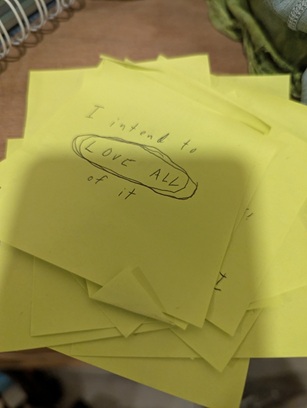
A stack of post-it notes with "I intend to LOVE ALL of it" written on the top one.

As I was gathering my things, the woman I met on the stairs came out to give me a hug before I left and the feeling of her body was like she had come home. After our embrace I handed her the stack of post-it notes I had written the first night and promised to send her an explanation that evening when I got home. We said our heartfelt goodbyes and my roommate and I joyously hopped in our cab to the airport.

The travel home was smooth yet potent. As our car wound through the Oaxacan roads to Huatulco I felt myself settling into medicine space. My roommate and I would fly to Mexico City then part ways and I would fly home just ahead of an ice storm hitting my home town. It was really joyous to be supported by a new friend who could hear me in my weird like when I came back from the airplane bathroom saying it had felt like I could feel the slipstream of the jet moving outside the tail of the plane when I went to the bathroom. I was ahead of schedule getting into Atlanta so I got on standby to get home earlier and arrived home just as the ice was starting to sprinkle.

After I landed home I sent a note to my partner-in-healing from the night before thanking her for the beauty of the time and space we’d shared. I told her the story of how I’d written the cards and offered that it felt important to share as a waypoint to acknowledge that we’re all in this together and all of us have our beauties and challenges. As she’d shared some of her challenges with me the night before, I wanted to share some of mine with her in solidarity. We had a quick exchange agreeing that the two of us felt like we had created a handoff experience, transmitting the healing field my group had generated to support and carry momentum through to the group she was about to embark upon. We decided to take some quiet space while she dropped into her experience but with an intention to reconnect somewhere on the other side. Content and warm while the ice rained down, I drifted off to sleep.

Aftermath

The day after I arrived home had turned into a work day but the ice storm scrubbed that possibility. After I finished canceling with clients I proceeded to alternately nap and watch shows through the day (shoutout to I Like Me, the John Candy docummentary and The Unlikely Pilgrimage of Harold Fry). I started writing this post within the first day and took 12 days to complete it. The aftermath of the retreat continues to swirl and it’s hard to come up with a post-retreat timeline so I’ll again do a list of Golden Nuggets of what has been alive for me since
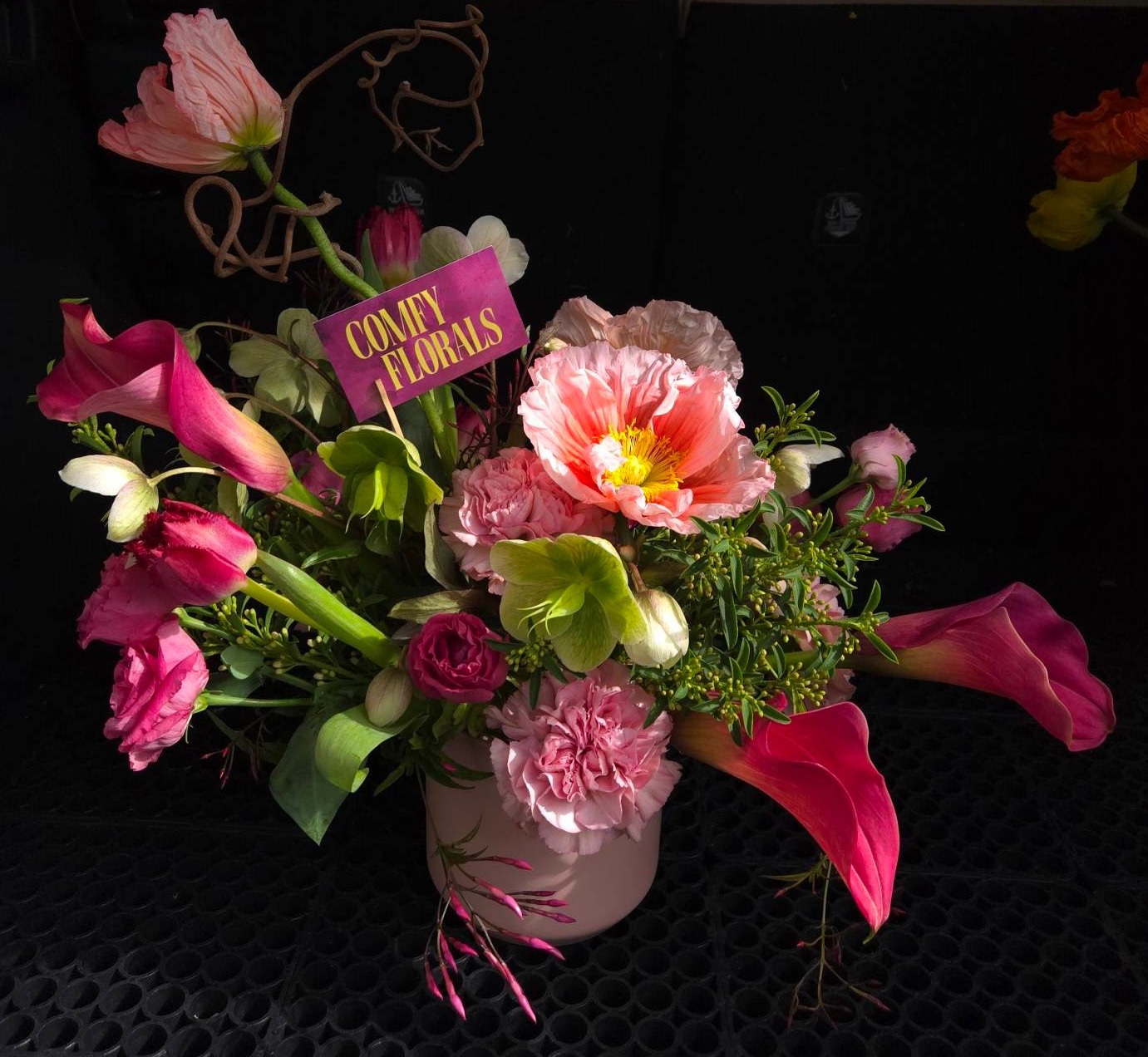
A bouquet of flowers feature pinks and reds and thin vines. A card for Comfy Florals is included in the arrangement.
  • My entire body feels softer. I started noticing it on the flights home after Mexico City that my skin felt softer, my facial features feel softer and my hair feels softer. My body also feels lighter and not just in the way that feels more significant than just the15 lbs my weight dropped over the last 3 weeks.
  • I bought myself flowers from a close friend who started her floral business, Comfy Florals, a few years ago. I love that I can give Kristy an emotional tone to the arrangement with some bits of story around the why and then sit back and watch a friend weave her magic, reveling in the way it enlivens my life rather than calling me to competition.
  • Sights, sounds, and tastes have been brighter. The Miss Vickie’s sea salt potato chips on the plane ride home felt like a revelation and all of my senses have felt sharper in general.
  • I’m coming home with an overall deeper sense of brotherhood with my fellow men from the retreat. I have no idea how or when further contact will happen but if I never see anyone from the retreat again I still feel a deep sense of belonging that transcends the personal and feels tapped into a collective sense of belonging, like it’s an energy that I’m both receiving and transmitting simultaneously.
  • I’m experiencing a lot of churn in sleep, not abnormal for me when there’s a few snow days but also it seems more than that, like I’m dreaming in small lessons. I dreamt myself as a bodhisattva, a label several folks have applied to me in the last year or so. I’ve dreamt completions of conversations and starts of new ideas. I sometimes feel like I’m having other people’s dreams but since I’ve been home they’ve all felt like mine.
  • I’m yelling at traffic more and flipping people off. In times when I’m opening up to healthier pathways for anger, the car has often been one of the places the shifting balances shows first. And whether this is something true or something I am projecting there has been a higher than usual incidence of people tailgating me unnecessarily on the highway since I’ve been home.
  • I feel more grounded in my needs and I’m finding it quicker than usual for me to decide what my next move is in a thing. I grew up prone to 2nd, 3rd, 4th, and 5th guessing myself and while I am still inclined to game options, I am spending far less time spinning my wheels and finding it far easier to pick the direction that I can best gauged and take forwarding steps towards that intention. I can also hold peaceful space with the parts of me that want to churn and spin, honoring their contributions without necessarily giving them the wheel.
  • I’ve broken off several relationships that have become unbalanced. It hurts and I am, at times, deep in the grief of relationships which ran past their ability to meet me fully or prioritized peace over authenticity, primarily at my expense. And I get to sit with the pain and savor the grief of loss while also recognizing that every time I have shed skins that are no longer spacious enough for me, I have ended up meeting better suited and brighter beings who are able to walk further along the path with me than those I had to let go of.
  • Toroidal shapes seem to be playing a role for me in my current growth cycle. I don’t have clarity on what that roll is yet but I’m noticing that the shape showed up at the birthday party, a few times during the retreat, and with my craniosacral therapist a few days later. I just get to live into the mystery of that one.
  • One of my brothers at the end of the retreat used the not-uncommon wording of “back to the real world”. I gently cautioned against delineating worlds like that as it can make it harder to carry lessons across threshholds. And reflecting that to my friend helped clarify how little distinction I see these days between the potential of healing fields and the potential of the broader world (and beyond).
  • I’ve been sitting with what first felt like a renewed sense of purpose but has been evolving into something more freeing. One of the later lines from The Shawshank Redemption has been quietly circling in my head, “Andy Dufresne who crawled through a river of shit and came out clean.” And as I’m writing this I’m recognizing the feeling of being let out of confinement (by myself) that is continuing to spool out as I process and expand from the retreat.

First, Make It Not Suck

The title of this article is my Rule #1 that I give new dancers who are worried about being desirable to dance with. It’s easy to get caught up in the idea that you have to be a great dancer to be fun to dance with and, in my experience, it’s simply not true. Some of my favorite and memorable dances are with total beginners who were just having so much fun that they couldn’t be bothered to worry about whether they were doing it right or not. I generally tell people that if you can make the dance not suck, then it’s already in C+/B- territory and anything beyond that is gravy. And making it not suck is typically as simple as the following three factors.

It Sucks If It Hurts
It Sucks If It’s Creepy/Threatening
It Sucks If There’s a Weird Power Differential

Generally speaking, if it doesn’t suck it’s pretty good. You can be off-time, you can only have 2 moves, etc. and you can still be plenty enjoyable to dance with. I tend to remember this best from a friend in tango who put it as something like “Sometimes it’s great to just walk”. To be clear, I don’t know anyone who doesn’t have dances that suck once in a while, but if you keep these three things in mind, I think you’re already ahead of the game for being a delightful person to dance with.

It Sucks If It Hurts

no-painThis one seems simple and obvious, but it’s amazing sometimes how easy it is to forget. I see a lot of this as stemming from “I have to get the move right” style thinking with dancers, really at any level. Trying to forces moves or movements runs a high risk of doing something that doesn’t jive with yours or your partner’s body and worrying about making the move work or end a certain way lends itself to forcing it. Yes, it’s lovely to hit that 32 count sequence just the way you thought or simply finish a basic turn on time, but doing so at the expense of your body or your partner’s body kind of ruins the moment.

I work with this in beginner lessons by building moves off of natural movement and teaching the dance with people moving together throughout rather than dividing leads and follows, teaching them a specific movements separately, and then pushing them back together and expecting them to suddenly match each other. While it can be more complex learning this way, it focuses the learning on partnership instead of individuals and helps make lead/follow interaction the primary energy of the dance rather than footwork. If people are thinking about their feet first, they tend to lose sight of the fact that there’s another person attached to them. If you focus first on that human interaction, it’s much easier to avoid hurting each other or be aware of it and shift when it happens.

And to be clear, this can happen at any level and with both genders. I regularly hear complaints about painful leading from several male instructors in my area and I’ve chosen to stop dancing with one female instructor who routinely gripped my hand so hard that I would worry about having to work with it the next day. Pain or comfort are achievable at any level of dancing, choose comfort.

It Sucks If It’s Creepy/Threatening

no-creepingIn the context of dance I think this mostly translates to “don’t assume you have the right to anyone’s body, time, or social interaction”. It’s easy and rather enticing to say things like “the boundaries are just different in dance” but I believe this often gets taken as “the rules of engagement around consent are different too”. The act of dancing with someone is just as much a negotiation as any other social interaction. The more it’s a balanced interaction where “no” is treated as a completely legitimate answer, the less likely this is to be an issue.
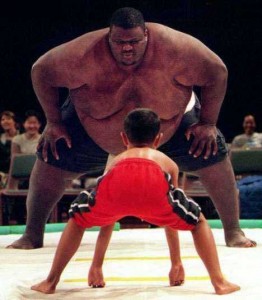
Again, I think this boils down to making the interaction human first and dance second. It’s easy when you’re in a new social environment to start to compromise on boundaries, particularly if you’re worried about seeing the other person on a regular basis. This may be different in other scenes, but I think the influence of Southern culture in my area means you often see people avoid challenging the few creepy apples at a dance because they would rather put up with the behavior than deal with a potential conflict. I don’t think there’s some singular right answer to this, but as we as a society are starting to talk about boundaries and consent more, I hope to see these conversations start happening one-on-one in the dance world more and hopefully enough of those will lead to some really great shifts.

It Sucks If There’s a Weird Power Differential

power-differentialThis is probably the most pervasive but also the most subtle one and therefore easier to overlook; enough so that I spent most of a year saying the first two make it not suck aspects before I thought of this. As much as we love to talk about equality and togetherness in the dance scene, there can also be a lot of hierarchy at play, partly real partly in our own heads. When you set up a perceived power differential between lead and follow or experienced dancer and newbie it makes the dance more about roles and less about humanity. It also makes it much easier for things like dancesplaining to occur and for dancers who feel they are in the less powerful position to be less likely to hold their boundaries if one of the first two ways of sucking occurs and less likely to speak out for what gives them joy in the dance.
I had lunch a couple days ago with a former dance student and we got talking about the challenges of this when he was a beginner. Now, for context, this is someone who routinely speaks in from of large groups of people and performs original songs in public; I consider him to be incredibly brave, creative, and very willing to engage with the challenges associated with growing in any skill. He told me that he found there tended to be two types of dancers offering him feedback as a newbie, those who’d ask if they could make a suggestion and others who would launch unprompted into critiquing his dancing or telling him “you know what you should do…” Watching him talk about it, I could even see his body shrink in on itself as he talked about the second type and the memory of being criticized.

Don’t get me wrong, criticism and understanding what and how to do things better is an important part of growing as a dancer. However, there’s a time and a place for it and more and less effective ways to communicate these concepts. I see lots of “better” dancers telling newer dancers what they should do without realizing that they are presenting the information in a way that widens the gap between them rather than bridging it. Ineffectively worded or improperly timed feedback like this tends to create a subtext messaging of “It’s not OK for you to be new or learning; you should be better” and even without poor feedback this is the sort of message that I see a lot of people telling themselves.

It’s normal for there to be a difference in experience, you just don’t have to turn it into a difference in power or value. Feedback can be a tool to raise people up but it can also be a tool to bludgeon them into being less than. And again, this can happen at any level; there are several instructors in my scene who I routinely observe and receive complaints about dancesplaining through entire dances on the floor. When you drive this kind of wedge between yourself and your partner, it pretty much kills the team vibe of a dance partnership and turns it into two lonely people holding hands and doing moves at each other.

If It Doesn’t Suck, It’s Generally Pretty Good

There’s an old Woody Allen joke that pizza is like sex “Even when it’s bad it’s still pretty good”. While I like the idea of the joke, I think it’s a bit off the mark. I look at it through a bit more of a lens of pizza or dancing or sex don’t have to be the most amazing pizza/dance/sex I’ve ever had to be good, but if something sucks there’s almost an addition of insult to injury that makes it all the worse. Having recently had the worst Chicken and Dumplings of my life a couple weeks ago, I can say that, like most comfort foods, when it’s decent dance is kind of inherently good, but if you make it terrible it will irritate people enough that they’ll shut down from you, talk about it to their friends, or post about it on the internet.

At it’s core, partner dancing is a shared experience. So long as you aren’t doing any of the above and putting your partner or other dancers around you on guard then it becomes easy to step beyond our standard social boundaries and create a shared experience. If the dance turns to suck in one form or another, then those boundaries tend to harden into barriers and both partners (and the floor around them) lose out on that social interaction.

Making it not suck also frees up a lot of energy and attention for learning. When something sucks, and even when it’s just a sucky feeling of your own creation through self-judgement, there is so much time and energy spent by the mind in either defending or reinforcing that sucky feeling that much less learning/growth occurs. When it doesn’t suck, there’s a lot more room for empowerment, for focus on the task being learned, and while not always completely safe there is a lot more safety available to take the risks and push into challenging territory that growth and learning requires.
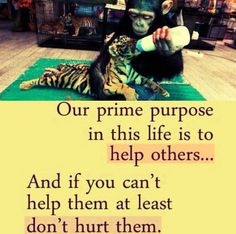
dont-hurt-them

And the TL;DR version of all this, summed up much more succinctly by the Dalai Lama: “Our prime purpose in life is to help others. And if you can’t help them at least don’t hurt them.”


Stepping Away from The Lindy Lab

About a month and a half ago I ended my tenure running a dance studio and one week ago I finished cleaning out the office at The Lindy Lab. It was a dream I’d had for about 10 years and 3 years ago got the chance to try making it a reality. The greater reality turned out to be, not so much a nightmare, but more one of those weird confusing WTF dreams that just leave you questioning your own brain and feeling like you may not get back to sleep that night. So I’m moving on to other pursuits and wanted to put together a post to share my experience so I can close out with friends and community on why I’m doing this and hopefully express something that may be useful to future folks walking a similar path.

TL;DR version: I took a moonshot on setting up a studio to try and spark transformation in my scene and found I couldn’t create or gather enough support or buy-in to make the idea sustainable for myself. After watching my own energy flag for close to two years, I chose to get out before I soured on dance and did my best to leave the scene with a great space to create in.

What This Post Is and Isn’t

This will be, to the best of my ability, an honest telling of why I chose to move on. It was, in many ways, a difficult tenure and a difficult decision to leave and I don’t want to candy coat that. I also want to be clear that in trying to speak truthfully about my experiences, I am, for the most part, at peace with the past on this or actively working to making peace with it. There were a lot of frustrations and results that I will likely never fully understand the “why’s” but I have plenty of responsibility in that as well. I’m grateful that I got to take the chance I did and humbled by what I learned from it and will try to cleanly communicate both the positives and negatives that lead to this course of action.

Backstory

I’ve been dancing in the Raleigh/Durham/Chapel Hill swing scene since 2002. I grew up in this scene, took lessons from just about anybody and everybody who was teaching and grew immensely as a person through dance. I found a love of body mechanics in dancing that lead me into my career in Rolfing which, in turn, deeply affected my teaching. I had a longer term vision of buying an old church to forge a mixed-use space to house both my Rolfing practice and some sort of dance/movement space. The Lindy Lab at Triangle Dance Studios was a way to test the concept in a rental situation before I considered buying a space. It was also intended to be a space for growth, creativity, and exploration in dancing which I felt had never been strongly offered in this area since I started dancing.

Creating a Space to Support the Dance

I’ve written before about the difficulties I had with the studio build. But suffice to say in the course of about 2 months I spent probably $10k and 400 or so hours of my own time plus a lot of friend’s man hours building a space to raise the level of ambiance for our scene. It has significantly raised the bar for the studio that owns the space and nudged the owner to take some steps to improve all the other studio spaces there. I hear from the studio owner that people rave about the studio but really nobody seeks me out to say thank you and there seems to be a general lack of care from other renters and dance scene for trying to care for the space. People tend to break things or move things out of sight and make no effort to replace or even note that they have broken things. It has helped me understand why the studio owners tend not to go all out on their spaces and the past year I’ve had the refrain of “this is why we can’t have nice things” in my head more times than I expected to. While I’m happy for the improved spaces for the scene and proud of what we built, it ultimately seemed like people responded to a different space a bit, but not enough to affect their behavior towards taking greater care of the space.

Teaching From a Radically Different Head Space

To put it succinctly, I have taken a fundamentally different approach to teaching dance than any other instructor I have seen on the swing dance world stage. I took my training as a Rolfer and developed a way to help people find dance in their existing movements, using what they already know and treating dance as inherent rather than something that must be taught. Don’t get me wrong, I have plenty of faults as a teacher and I believe that pretty much every teacher out there does something better than I do. But I built my teaching to provide a base that would allow people to travel and learn readily, giving them a “first principles” base of knowledge to be able to fill in the gaps from things other teacher don’t say (or don’t know to say). I tended to receive comments from students who traveled that they rarely encountered an international teacher saying something about mechanics that they hadn’t heard from me already and I’d taught it more succinctly and accessibly.

Lack of Return Students

The response to classes was a somewhat baffling combination of intense appreciation coupled with lack of attendance. While I consistently received praise for the style of teaching and was told it made the dance far more accessible or made people comfortable in a way that nobody else had, such statements also frequently came from people showing up once and never returning. I also encountered a number of people choosing to take from an instructor who was closer even if they felt they got less from that instructor. I’ve been over this many times with friends and fellow dancers and we’ve never really been able to determine if people couldn’t tell the difference in the quality of material or simply had other priorities or goals. But frankly it was disheartening to find myself teaching someone how to do another instructor’s material without it hurting them or their partner (when prior instructors had just shrugged at or been completely oblivious to the pain) and then have those students just head back to previous instructors. I had some really great engaged students 2-3 years ago, but somewhere in the past year and a half that seemed to disappear and a sustained lack of excited students eventually wore down my excitement for teaching.

Did Not Play Well With Other Instructors

I had high hopes going in but found it pretty much untenable to work with any other local instructors. Where I had expected collaboration I more often ran into passive-aggressive silence and where I tried to show respect to former teachers I mostly saw them reference me as someone they taught, oblivious to the fact that I spent the middle 5 years of my dancing career unlearning habits from them in order to be the dancer I am today. Suffice to say I’d seen some of the drama and instructor bullshit coming up in this scene and had hoped to change the conversation. In the course of several years, I feel like was wholely unsuccessful and ended up being just as bad. Some of the standard instructor power trips in the dance world are hot button issues for me and I hoped to set an example or talk to other instructors in a way that would help, but when I didn’t get far I got frustrated and started getting on my own little petty tyrant power trip.

I’m quite sure I was as much of a pain in the ass to other instructors as they were to me and I just generally found that it was more effort than benefit to work with anyone who I hadn’t trained. I would have liked to have things turn out differently but I’ll echo a sentiment I heard time after time the last few years that the instructors (and I include myself in this) are some of the most off-putting people in the scene and one of the primary reasons that more people don’t step up to help. I was fortunate enough to have some friends willing to kick my ass about it when I was making things ugly and I already find my interactions with people being lighter as I’ve basically removed myself from any need to be in contact with that energy.

Timing Suuuuucked

In general, I think there was also a strong element of timing to all of this. Attendance rose and fell but seemed to be in an overall decline in general for the last 4 years or so, even before I started Lindy Lab. Options like Groupon and Living Social seem to have run their course in this area so options that used to provide quick boosts to prior studios didn’t amount to much. In general, it seems like this area is in a bit of a dip in terms of advanced dancers getting more into jobs or marriages or whatever as well so while that core hasn’t disappeared it has become less consistent week to week than it was a few years ago. It does seem to be starting to uptick as I’m handing things off, so I’m heartened, but generally I felt like I spent so much keeping things going through a trough in the cycle that I stopped having much interest in sticking around to push things back uphill once the cycle picked up again. And, on a personal level, add in things like a multi-year house renovation and a 5 year career overhaul and by this past spring I felt pretty certain I wasn’t going to have anything left to give if I kept going.

Deciding to Quit

All these factors came together earlier this year to culminate in a decision to quit. I say I’m quitting because I’m trying to take ownership of that word. It’s a word I haven’t been comfortable with as long as I can remember and I think it’s about time to redefine it for myself. I’ve spent many years in my life holding onto situations, activities, and relationships where I was not getting back the energy I put in and I’ve slowly come to understand that that just doesn’t serve me long term. So, having given it a good 3 years, trying as many angles and tactics as I could without completely tanking myself, I’ve decided to quit with as much integrity as I can and move on to other pursuits.

Space to Grow

Ultimately I am quitting both to create space for myself and to create space for The Lindy Lab. If I had continued to head the studio, I believe it would have taken me an awfully long time to rebound even if it had been possible. Stepping back and turning it over to a committee of committed and excited dancers creates much more space for LL to grow again. It also frees me up to focus on aspects that I did enjoy, namely teaching and special events. And frankly, I find I’m greatly happier having my evenings free to spend with friends, fix up my house, cook, read, etc. The person I’ve been trying to be for several years now has arrived much more readily by creating space than it did by pursuing achievement. The Lindy Lab was an amazing vehicle for me to grow and learn and, for a time, to spread some Lindy Love to some wonderful people and I look forward to seeing it grow and change under new leadership.

The Hopeful Aftermath

I spent a lot of my past year wondering if I was just in the way. And while I don’t think it will just completely rebound, it does seem that attendance has already started to pick up as we’ve worked through handing things off over the past two months. There is definitely space for someone excited and motivated to jump in and start teaching Lindy in the area and the workload is already being spread better than I ever managed to do it.

I just had a former dance student who travels and lectures on education tell me he presents some of my teaching tactics all over the country to great success. A Rolfer in Portland who I was talking to about teaching asked me excitedly if I would be willing to share a workshop on how I teach dance. So it seems that whether I decide to teach again or not, some of the key tenants that I wanted to get out to the world are getting out.

And perhaps simply put, I think I’ve finally managed to swap out “Try to change the world and hopefully that will make me happy” for “Let myself by happy and see how the world shifts”.

We’re Gonna Need A Bigger Cup: A Thought on Happiness and Relationships

It’s my birthday tomorrow and I’m realizing it’s been about a year since I had the following epiphany but haven’t gotten around to writing it down.

Last year shortly after my birthday I was having lunch with a friend and talking about relationships and I realized that somewhere along the line, my approach to relationships had changed significantly. I’d been building skills for several years around the idea that I needed to be happy with myself, not seeking a relationship to make me happy and I realized that not only had that shift occurred but a rather apt metaphor for it had formed in my unconscious mind. And in the midst of that conversation I found myself speaking it consciously for the first time.

If I think of my own happiness as a cup to be filled, I used to view the cup as my own thing and that I had to find a person to fill that cup. What I’ve come to feel now is that what goes into the cup is mine and
the cup is also mine, but the people in my life contribute by helping me to grow (or sometimes shrink) the size of the cup. So adding loves/friendships/etc. to my life helps to grow my capacity for happiness rather than making me happier. And whatever I am cultivating in myself helps to fill the cup with joy or love or sorrow or whatever else I am choosing in that time.

To say the least, this recontextualizing has made some slow but profound shifts in my way of being the past year. I’ve found myself both feeling closer to people and much more patient with time apart. And despite some very intense ups and downs with a major home renovation (which I am living in), I’ve started to find a much more even keel internal state without too much grasping for a relationship to try and distract myself.

As my birthday neared this year I started thinking back on this revelation and noticed as well that I’ve started to do a much better job of regulating my social interaction to my energy levels. In times when I’ve been particularly tired but overcommitted to social interaction I could feel like the contents of my cup were becoming watered down, too little of me to fill a too big cup or “like butter scraped over too much bread” (one of my favorite Tolkien lines that’s been coming to mind a lot ) and it’s been a useful cue to slow down, settle into a smaller group of friends for a bit until I had more of myself to give again.

And in weeks like the past two where I could feel myself constrained and feeling lonely under the pressures of construction it cued me to reach out to a few more folks to help me “upsize” my cup and have space to feel full instead of spilling over.

In addition, I’ve found myself becoming better at allowing friendships to be more fluid. I have a few friends who are in similarly stressful situations to my own and we’ve gone through some periods of being close and periods of needing tons of space or to not talk for a while. It still makes me nervous, but I’ve found a certain peace with allowing
that space to exist and a much better understanding of how allowing space can serve to make a friendship stronger sometimes.

In short, realizing that I am the source of my own joy and that the people in my life can help me to hold more of that joy and share it has helped me be happier, balance my time better, and feel more able to give and receive when I choose to spend time with friends and loved ones. And in the spirit of growing my cup, if you found this useful or have thoughts to share, I’d love to connect about it. 🙂

Scar Tissue Workshop with Sharon Wheeler review

In the past years, I’ve noticed the strongest trend in my Rolfing continuing ed and the one I’ve benefited most from is adding tissues to my repertoire. So about a month ago when a space opened up at a nearby (or at least within driving distance) workshop with Sharon Wheeler on working with scar tissue, I jumped at the chance. And boy am I glad I did because adding Sharon’s Scar Work to my skillset has already helped a lot of clients in the intervening two weeks and given me some new insights into how the body heals.

About the Workshop

Curiously, I wound up being the only male in a class of 15 women (including the instructors and assistants). I don’t gather this is the norm, but it was a curious experience given that most of my basic trainings in Rolfing were heavy on masculine energy. That said, the workshop was in many ways, exceptionally well suited to my kinesthetic learning style, a half day or so of demonstration, followed by 3 rounds of working on each other and then in a team fashion working on model clients, giving us the ability to rotate at will between clients, observe and attempt working on different scars, and stand back to watch when we felt moved to. If you learn well from a relatively unstructured environment, like getting your hands dirty in class, and want to work with your classmates as peers, I’d highly recommend Sharon’s teaching style.

About the Work

The work, I found kind of fascinating. Without going into too much detail, I describe it as very very light sweepy and scrubby type of work. In my head, I refer to it more as “noodling around” than “work”. I’m sure there are at least a couple layers of sophistication I still have to develop with it, but so far it’s been surprising how immediately it is possible to be effective with this work. Scars soften, mobility is improved, areas begin to feel integrated, and often sensation returns to areas that many clients have referred to as feeling not a part of them or dormant. And all of this with no pain and a very oppositional approach to the “you have to break it up” approach that I typically hear in regards to scar tissue.

Why I Think it Works

Sharon made it clear that while she has found this style to work for 40+ years, she’s not entirely sure why it works although they are starting to do research on it now. Because I tend to be a non-linear thinker and like to draw connections, I let my mind wander on the “why does it work” question throughout the workshop and came up with the following ideas. Note that this is just my working theory, nothing proven and subject to change as I go deeper into this sort of work.

My first impression was that it seemed like unlocking or restarting time in the body. The work seems to be similarly effective with recent scars as well as very old scars and in most cases the scars seem to soften and begin to blend in with the surrounding skin and, in a number of cases, nerve function seemed to return almost immediately. It’s almost as if the tissue reaches 80% or 90% healed and then somehow had gotten stuck, almost like it were cryogenically frozen mid-healing and the scar work thaws it back out and allows it to complete.

The working theory that I’ve developed around it is that the work seems to simulate licking wounds (albeit without the saliva). Most mammals seem to do this and while it’s typically explored as a method of cleaning, it seems possible to me that in the course of evolution, tissues have evolved to respond to licking by healing further and integrating better with the “original” tissues around them. While I don’t have evidence to support that theory, it does seem to make a certain level of intuitive sense to me and to most of the clients I’ve shared this theory with.

What I’ve Done With the Work

In the 3 weeks since the workshop I’ve played with a lot of different ideas and seen some great results with some general trends. Here are a few of the things I’ve been able to create with the tools from the workshop.

  • Worked on several C-section/hysterectomy/etc. scars. Saw hips find more neutral tilt and spinal/sacral tension on the opposite side tend to relax more or easier.
  • 2 appendectomy scars, both of which softened significantly and were able to twist through the torso more readily along with releases in back and hip tension.
  • Worked on my own circumcision scar. Found that the tissue softened a good amount, there were numerous signs of nervous system release in my body (stomach gurgling, shaking, etc.) and since then the tissue has been both softer, more sensitive, and I have experienced a distinct ease and better functioning in my pelvic floor.
  • Started recovering a divot in a client’s breast left over from a lumpectomy 8 years prior. The client had also been unable to feel her armpit by the breast since her cancer treatment and left with sensation restored to the area.
  • Worked with a 3x operated on ACL replacement for a soccer player who had been having trouble with it since the first surgery. After 2 sessions, reports that the knee is much more mobile and feels stronger than the leg that has not been operated on.
  • Starting to reassemble cartilage in my own right ear which was shattered in high school when I got cauliflower ear in wrestling. I’ve felt several pieces of cartilage “pop” back into place kind of like I’m shifting tectonic plates back into an alignment and my hearing in that ear has improved after a week or so of the ear going through a phase of feeling plugged up. Still some work to do there, but it seems to be making progress.

I’ve worked on a variety of other small scars in the meantime as well and in almost all cases I noticed that clients seemed to settle in on a deeper level after the scar work than I had typically seen them settle in past.

All in all, this has been a great style of work to add to my toolbox. It’s allowed me to help clients further resolve, heal, and integrate a variety of scars on both a physical and, in some cases, emotional level. Integrating the scars seems to make them more mobile, even out the color with surrounding skin, and allow for better structural work in and around the areas. I think it’s an excellent addition to helping people heal old wounds, fully resolve surgical interventions, and in some cases, recover nerve function that they were told might never return.

Many thanks to Sharon for sharing this work and being a gracious teacher. 🙂

Keyboarding for Happy Shoulders (and Necks and Backs)

In my Rolfing® practice, I see many clients with desk jobs who have concerns about their posture at work.  I see a variety of strategies for how to position feet, butts, and backs, but very few people seem to be considering what their hands are doing.  The keyboarding position most people use puts a significant strain on posture in such a way that it is often overlooked.  While many people work hard to sit upright at their desks, I think it is generally impossible to achieve a fully upright and relaxed posture while using a standard keyboard.

The typical keyboard (even most ergonomically designed ones) place the hands inside shoulder width for the average adult.  Where the hands go, the shoulders tend to follow.  With the hands placed near the center of the body, the shoulders roll forward to follow them, often creeping over top of the ribs and driving the head and neck forward as well.  Over time, more of the body can follow this hunching, leading to the creation of images like this:
evolution_of_man_ape_to_computer

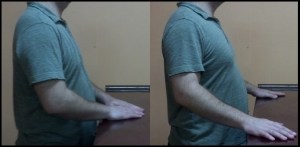
Front_view_hands_close_and_openSide_view_hands_close_and_openIf we examine this positioning in contrast, you can see how the different positions of the hands affect closing or opening in the shoulders and chest.  With the hands inside shoulder width, the chest collapses and the shoulders round forward (if you have trouble seeing this, consider the wrinkling in the front of the shirt).  You can also see from the profile view how the shoulders slide forward significantly when the hands are placed close together.  You can also try these positions yourself and feel the difference.  Most people find the open position to be more relaxed and free but don’t think about it in daily life because they have habituated to the standard keyboard position.

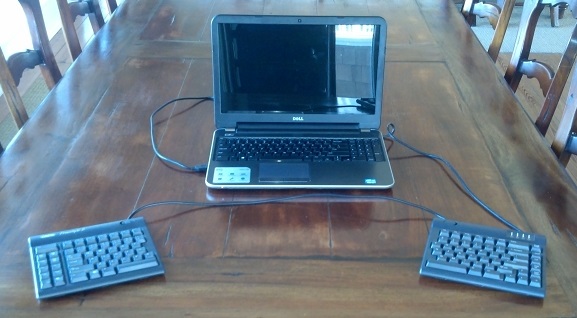
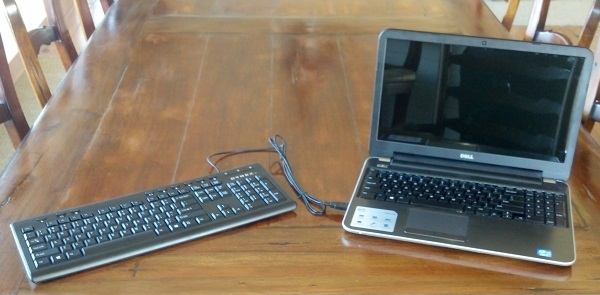
While it made sense in the age of mechanical typewriters to set the keys as close as possible, the digital age offers a wider range of options with which we can adapt technology to fit our bodies rather than the other way around.  There are options available now that can allow us to type while maintaining an open and comfortable hand and shoulder position, what I refer to in dance classes as a “natural shoulder angle”.  The closer you can get your shoulders to this open position, the more room it will allow for full breathing, a relaxed neck, and for the shoulders to settle onto the back.  To that end, I have been experimenting with the following options that allow for a fully open posture when using a computer.  In all cases I found they produced a much more comfortable and engaged sitting position and often improved the flow of my writing once I had acclimated to the new position.

Dual Keyboards

Dual_KeyboardsThis is the cheap, easy, and accessible setup I suggest to people first trying out a wider hand position.  The basic idea is that with the advent of USB keyboards, most computers can now accept input from multiple USB keyboards at one time.  So, you can simply set up two keyboards and, assuming you can touch type, place your left hand on the left hand keys on the left keyboard and the right on the right keyboard.  While it is not the most elegant solution, it gives you a lot of room to experiment and is a particularly cheap “tester” option which I usually recommend before committing to more pricey equipment.

Split Keyboard

Kinesis_KeyboardThis is the keyboard I primarily recommend as a long-term solution.  The Kinesis Freestyle2 keyboard is a fully split keyboard with a cord between the two halves.  They offer a 9 inch cord or 20 inch cord option, I highly recommend the 20 inch as the 9 inch option is not enough to get my hands wider than shoulder width.  While it can take a bit of getting used to, I found it relatively easy and intuitive to make the switch from touch typing with a regular keyboard and it is much easier to orient my hands to the two smaller halves versus trying to find the right position with the dual keyboard setup.  I also find that I feel more productive and creative when typing on this for an extended period of time and experience a lot less fatigue in my neck and upper back.  It also provides a lot of versatility for users of various shapes and if you get tired of the open position, you can readily slide the two halves together for use like a normal keyboard.

Keyboard and Laptop

Keyboard_and_LaptopAt this point, many people I know don’t even have a desktop computer and do most of their computer work from a laptop.  If you are constantly travelling or working from various places with a laptop, you can cut down on clutter by using the laptop keyboard plus a single portable keyboard.  Similar to the dual keyboard setup above, but with less desk usage and higher portability.  While I used a hard keyboard for the photo, you could also readily use something more portable like folding or rollable keyboard.  It does add a little bit of strain turning the head towards the screen, but it can easily be balanced by switching sides with the spare keyboard.

Whatever options you choose to use, my general suggestions are to think first about what positions your body feels ideal in and then look for ways to adjust your work environment to support those positions.  Too often I see people struggle to maintain a comfortable posture simply because the tools they are using necessitate a more cramped position.  The more you set up your environment to support good posture, the healthier your positioning will tend to be without always having to think about sitting up straight.

Lessons From Building a Dance Studio

It’s been about 6 months since I wrote a post.  Some of that has come from being legitimately busy building a new dance studio for the Raleigh/Durham swing scene, and then a lot of it lately has been being nearly burned out from said studio construction.  So I felt it might be a good return to writing to say a few things about what I learned in the process of taking over a raw space and upgrading it to a fully realized dance space these last few months.  I’d have to say I learned a great deal from this process and there’s more than a few things I wish I had known (about the process and about myself) going into it.  So for anyone who may find this useful, here’s what I learned from building a dance studio:

It’s hard to please everyone on details, but a comprehensive vision will pay off

Paint SamplesWith any given project, at a certain point I had to stop asking for input.  Starting off with the ideal of making the studio a place to foster community, I had a desire to try and please everyone.  The problem came about when asking more than a few people for their opinions or ideas inevitably seemed to create an ever-widening field of possibilities and preferences.  I spent a lot of time in the first few months of design work worried about getting it “right”, which doesn’t work if you want to follow everyone’s first choice or suggestion.  Wall colors were a prime example of this, everyone had a different baseline suggestion, from orange to purple.  Ultimately I found it helped a great deal to focus the overall vision, things like “vintage feel, classy, energizing” to help make those decisions.  And while even I cringed at some of the detail decisions (the orange walls scared me on the first coat) making decisions with that vision in mind helped pull something together that so far most everyone seems to be happy with even if particular details may not have been their cup of tea (or mine).

Over-buy tools and materials, return the excess after

Many times I got halfway into a project and realized I hadn’t bought enough of something.  Whether it was a lack paint, or lumber, or tools for pulling staples. the resulting extra trips to the store were both a huge pain in the ass and cost me a lot in terms of time and motivation.  Having to take an extra hour in the middle of at least half the projects to make a second (or third or fourth) run to the hardware store started to feel brutal.  By the end, I was just buying probably double what I expected to use and returning the extra and it was so much nicer to be able to roll through a project and return the extra materials at my convenience.  If you aren’t absolutely sure you’ve got enough, I’d recommend just go ahead and buy a bit more.

Everyone will offer to help paint

I haz a brushDon’t get me wrong, I loved all the offers of help, but almost everyone’s first offer was to help paint.  This isn’t a critique so much as an observation.  I think most folks’ first instinct was to offer to help do something they know how to do and are comfortable with.  Asking people to step outside their comfort zone and help me lay tile or reset insulation or other skilled tasks tended to require me to spend a bit more time supervising and directing.  While it did take more time, I found myself enjoying teaching in some cases or making a team effort to figure out how to complete a project in others.  If you’re going to have help from a team of folks, it seems it’s good to figure out what tasks you need done and ask people specifically to help with them.  I got a lot more out of picking particular tasks to get done and throwing a workday or asking specific people to help me than I did from just generally asking for help.

Make work days into events

gal-officespace18-jpgProbably the most successful workday we had was a “Office Space” staple removing party.  I had purchased some old church pews from a local church with the plan of using them for bench seating in the new studio.  Unfortunately, they were upholstered and I wildly underestimated how much effort it would take to fully de-upholster 10 church pews.  That said, getting a bunch of staple removers and offering to show “Office Space” on a big projector screen while we worked produced probably the best attended workday of the whole construction period.  Anything you can do to make it interesting and engaging for people to help is a big bonus.

I dig on intensity, but…

In the course of doing this, I not only was spending the vast majority of my free time on the studio but also experience my busiest two months ever as a Rolfer®.  This meant I was typically spending 10-16 hours a day for those two months working on the studio or on clients.  Looking back, and still recovering on sleep and energy now, I would say I pretty much trashed myself in the process of doing this and while I was aware I was tired, my awareness barely scratched the surface of just how badly I was in sleep (and other necessities) debt.  But something about it at the same time felt so right.  The intensity of it was like a high and between that and a sort of mania to finish the studio so I could rest, I basically took this triumphant 8-year dream and made it such a draining thing that when it was over, I fell apart instead of being able to enjoy it.

I don’t want to be Luke Skywalker

It wasn’t until about 2 months after finishing the major construction that I ran across this TED talk on popular kid’s media and how it affects our view of gender roles.  I’ve watched this several times now and the subsequent viewings have really driven it home where I feel like I went wrong in this process.

I set out with every intention of being Dorothy.  I was even resistant to thinking of the studio as “mine” because I wanted the community to feel invested in it, I wanted people to have input, etc.  I can’t quite pinpoint when it happened, but somewhere along the way, I lost that sense and started treating it like My Quest rather than an adventure with friends.

After several months of this, I came out the other end of the projects and realized I had alienated myself not just from the scene in general (had barely danced for 2 months) but also from the people who had been willing to work closest with me.  I had gone into the studio idea hoping to seriously foster community and feel closer to the people and the dance I love.  Instead I created a situation where I felt I had pushed myself further away both from the experience I wanted and the people I most cared about.

Were I to do this over again, this is one of the big pieces I would change about how I worked at it.  I wanted this to be a project suffused with love, and it may have been for a few people, but for myself, I lost that sense.  I don’t know how much to blame ego or exhaustion or trouble with expressing gratitude or whatever else.  But when the wheels came off and I felt buried in the work, I wish I had been more cognizant to know I have people there who wanted to support me and that it would have been ok to just back the fuck off and complete the studio at a more reasonable pace and do it together rather than smashing myself and feeling alone.

Even when it’s over, it’s not over

So it’s about 4 months later now and I’m finally getting to where I feel mostly recovered from the ordeal that I made out of the studio.  Even these past few weeks I have still had a few days where I’ve ended up sleeping 16-18 hours in 24 and it amazes me to see how much strain my body took on.  But for all the rough patches I created for myself, I’m starting to feel really good about it again.

It’s taking a good deal of work and introspection but some of the friendships are getting patched up.  After feeling like I pushed myself into isolation, I’m re-examining some of the things that lead me to that and finding new ways (to me at least) to connect with people.  Not all of the friendships are as patched up as I would like them to be, but some have even gotten deeper as I’ve made amends.

The studio continues to be a project, and probably will be even after the last project is done.  It’s a constantly evolving process and that’s one of the things I loved about the idea starting out.  On the plus side, I’m being a lot more mindful of managing my time and expectations, handling goals in reasonable amounts of time and letting them slide when they don’t make sense for whatever reason (like being scheduled on a day when I ended up sleeping 16 hours).  It’s made the projects a lot more enjoyable to complete and the ones that I’m still getting help from friends on are a lot more enjoyable and a lot more connected when I leave room for joking and chatting along with the work.

There are a lot of things I could have done better in working on the studio, but even having mucked up a portion of it, the space is beginning to thrive and the energy of the dances continues to improve.  And even as beat up as I’ve been this year, I’m starting to find more reasons to smile about the whole thing and more plans to keep making myself and studio awesomer.  For now, I’d like to end 2013 with a quote that someone recently put on the wall at my office, “Though no one can go back and make a brand new start, anyone can start from now and make a brand new ending.”

In Defense of the Rotator Cuff

This post is being written at the request of a lovely Aussie follower who has suffered multiple rotator cuff tears in the course of her dance life. While not all dancers suffer from rotator tears, it’s a fair bet that almost every dance will run afoul of their shoulders at some point. The following ideas should help you minimize your chances of injury in those moments of potential crisis. Note that while I will give some specific lead or follow examples, all of these should hold mechanically true for both leading and following.

A quick note before anyone jumps up to tell me that their instructor told them to do it differently, I’m speaking here from a biomechanical and injury-proofing standpoint, not an aesthetic or stylistic standpoint. I personally find that solid body mechanics tends to translate to great aesthetics for me, and I try to base my dancing first and foremost on things that I think will allow me to keep dancing for the rest of my life. These are the best safe & effectively connecting body mechanics that I have come up with in 11 years and if I develop or encounter a better idea, I’ll definitely post about it.

Anatomy Time!

rotator cuffThe rotator cuff is the group of muscles connecting the top of the upper arm bone (humerus) to the shoulder blade (scapula).  The reason these are important is that the shoulder blade is a relatively mobile and therefore unstable joint. The surface of the shoulder joint (glenoid fossa) is essentially a very shallow bowl that has been overfilled with the head of the humerus. This makes the joint very mobile, but also vulnerable to sliding around or out of the socket (one of the reasons shoulder dislocations are far more common than, say, hip dislocations). The muscles of the rotator cuff are all oriented closely around the joint to rotate the humerus in the joint, provide stability, and protect against injuries like dislocations.

Dancing Based on Natural Angle

Based partly on the rigors of modern life, most of us have become habituated to some less-than-natural positions for our arms. The arms-straight-ahead position that most of us spend a lot of time in (driving, typing, etc.) rolls the shoulder in a way that compresses the front of the joint and, over time, tends to make the shoulders stick forward even when our arms are at our side. Many people, either by instruction or habit from daily life, learn to dance with their arms straight in front of them, reinforcing this compression, and putting the shoulder in an unstable position to deal with strong pushes or pulls. I feel that opening the shoulder up to a neutral and balanced position makes it both more stable and far more functional at handling the demands of swing dancing.

To reacquaint yourself with this position, first hold your arms up around belly button height then slowly move them from reaching straight ahead to straight out to the side. As you swing through this range, you should notice that the level of tension in the shoulder lessens as you move towards the middle of the arc, hits a point of minimal tension, and then the tension starts to increase as you continue towards the end of the arc. You should also notice the position of tensions shift as you pass to either side of that middle point. This point of minimal tension is what I refer to in classes as the natural angle of the shoulder. It is the angle at which the rotator cuff is most relaxed and therefore most able to react to various forces. The exact angle varies from person to person but typically falls somewhere between 30-60 degrees from straight out front and places the hands in a position wider than the shoulders.

When I’m dancing, part of protecting my shoulder is that I consider this angle to be home base for how I orient to my partner. I remember as a newbie being taught things like spotlighting or to “square off” to my partner and it always felt a bit forced. I have found orienting myself to my partner based on the natural angle of my shoulder to be far more connected and comfortable and consequently safer for my shoulder. My hand and arm move to follow or lead my partner and I adjust the angle of my body to keep my shoulder in an open, relaxed and ready position. It can be counter-intuitive to the way many of us orient to our hands, but once you get used to it, it should make a lot of sense for your body.

Chest Up, Shoulders Down

The other typical position that can compromise the rotator cuff is the overhead lift of leading and following turns. Many dancers don’t just bring the hand and forearm up when they turn, they also raise the shoulder blade. Lifting the shoulder blade off the ribs puts the shoulder in a vulnerable position by disconnecting it from the support of the ribs. Without the support of the ribs, it becomes much easier for a pull at the wrong time to bend the shoulder into an angle that will injure it. I have found the next two concepts to be exceptionally helpful in keeping the shoulder in a safe position during spins and turns.

Paint the Fence (aka NO ROTATION)

???????????????????????????????????????????????????????????????????????A common stressor that many dancers put on their shoulder is trying to rotate it out as they lift. While I realize it is a fairly common cue, I find the “checking your watch” method of leading turns does not make kinesthetic sense to me. Rotating the arm to look at your wrist forces the elbow above the shoulder blade which then pulls the shoulder up with it. The more the elbow flairs away from the body, the more the shoulder separates from the ribs, reducing both stability and connection.

A far more effective method of raising the arm comes in an approximation of Mr. Miyagi’s paint the fence exercise from The Karate Kid (the original, not the remake). Keeping with the natural angle of the shoulder, the motion of the arm is basically just “Uuuup…, Dooown…” and the torso moves to create the turn.

[youtube http://www.youtube.com/watch?v=R37pbIySnjg]

Unlike Daniel-san, for dance purposes you’ll want to let your elbow be loose, relaxed, and weighted so that it stays low as your arm comes up. But notice in the motion of the movie that this is a whole body motion. You can see the muscles of the chest flex and relax with the motion and you should be able to feel them activating. If you try to same “look at your watch” motion, and feel your pecs, you’ll notice they have almost no activation. Keeping the arm rising and falling and making adjustments with the torso rather than the shoulder rotation will put you in a much safer position and typically keep you more connected to your partner (which also helps you be safer). By maintaining the connection of the arm to the torso, you can also effectively lead turns by initiating small rotations from the chest and spine rather than large motions from the arm.

Scapula as Counterweight (or Turns and Trebuchets)

The other issue I often see putting shoulders in harm’s way is the tendency to think that everything needs to go up. People become so focused on their hand that they forget there is a wrist, elbow, shoulder, and ultimately, spine attached to that hand. So if your only awareness is the hand needs to go up, everything else in that chain tends to go with it. Again, the shoulder rises and you are suddenly in the vulnerable position of having your hand above your head with only your rotator cuff actively holding the shoulder in the socket.

trebuchetWhat has served me best is to bring an awareness of my shoulder blade and to think of it as a counterweight to the arm, similar to but not quite as unbalanced as the counterweighting found in a trebuchet. When I want my arm to rise, I don’t think about taking my hand up, but rather, I think about initiating by allowing the scapula to slide down (inferior) my back and away from my head. This serves to stabilize the shoulder in several ways. One, it insures that my arm does not come up without my scapula being solidly in touch with my ribs and it additionally eases some of the effort of lifting my arm, meaning my hand goes up with less muscular effort and I have more freedom to adjust in case of emergency. One of the easiest ways to experience this is to stand with your back against the wall and try both lifting your shoulder blade as your arm rises or letting it slide downward as your arm rises. With the downward slide, you should feel more of the engagement in your chest and back and your arm should feel much lighter and floaty than when you lift the shoulder blade with it.

incline_pulleyThe counterweight idea is not only useful for turns, but can also be applied to protecting the shoulder from collapsing forward when stretching out in swingouts, tossouts, rocksteps, etc. In a stretch where the arm is not going to come up above shoulder level, think of the shoulder blade as a counterweight to the front of the chest and allow the chest to rise and open as the shoulder blade descends. In the inclined pulley illustration, think of M as the shoulder blade and m as the arm. So long as M is weighty enough, it will resist being pulled up and over the top by m. But if the force of m wins out, then the shoulder blade (M) will be pulled up over the top of the pulley and it will all tumble down the slope. By letting your shoulder blade remain weighty when stretching (at a natural angle) it will prevent a lot of potential strains and sprains that can occur from collapsing and hyper-extending the shoulder.

Keep it Personal

There is no one right way to do this. There is a great deal more variability in human anatomy that a typical textbook will not show and as such, there is a great deal of variability in function as well. The safest angle for one dancer may feel very unstable for another and so on. The more you can create ease in your body, the more ready your muscles will be to keep itself in safe and comfortable positioning. Similar to the non-Newtonian frame concept, the more you are in a fluid, rather than rigid, state to start, the more readily you will be able to react both to potential threats and to communications from your partner. In addition, the safer your body position feels, the more it will free up your attention to try more awesome things. Use the above as suggestions to play with your own angles and ways of conceiving of motion and use whether it feels more tense or less tense as the metric for more vulnerable or less vulnerable.

Making Better Use of Your Lats

It’s another one of those often used, but tough to execute, pieces of advice, “use your lats.” I hear it a lot in the swing dance world and in the fitness world and while it seems to be a simple idea, many people struggle with it. Often, the issue is not that the lats aren’t active, but that other muscles are preventing the lats from fully activating. So here’s a quick run-down on how you can gain better access to this muscle.

lat-extensionWhat are Lats?

Just a quick definition for those of you unfamiliar with them, your lats, or latissimus dorsi, are the main power muscle involved in retracting the arm from an extended postion.  So if you are is out in front or above you (flexion) and you want to pull it into back towards a neutral position by your side (extension), that’s the job of the lats. The lats are also used for a few other movements but pulling in (extending from flexion) is a primary issue in dance and athletics.

Extending to Activate

When attempting to engage their lats, most people (and most of their instructors, coaches, trainers, etc.) try to go at it directly. “Find your lats and squeeze them” can work, but most people struggle with this version. I have found that taking a more 3-dimensional, indirect approach helps many people to more effectively engage their lats, allowing them to get greater power and range of motion out of the muscle.

The basic idea is to think about expanding the muscles of the anterior (front) chest and sides (pectoralis major, pectoralis minor, and serratus anterior). Instead of focusing on your back and trying to squeeze from there, put your attention on the front of the body and allow the chest muscles to expand as you pull. Rather than initiating from the back, imagine the force starting from the chest and wrapping around and under the armpit and through to the low back. As you do this, be aware of the head and neck which have a tendency to push forward in response; keeping the head upright will help the chest to expand, enhancing the engagement of the lats.

wide-lapels-bow-tieIt also helps to work on keeping the space around the clavicles (collar bones) spacious and wide.  Imagine wearing a jacket with extra wide lapels that extend into the space of the shoulders.  The more the shoulders settle wide and back, the more it will help you to engage the lats when using your arms.

Why Extension Helps

The rigors of modern life (computers, driving, etc.) frequently put us in an arms forward position for extended periods of time. This means that their chest muscles are often stuck in a contracted position. As a result, many people become habituated to a posture that involves some level of collapsing in at the chest.  So when they attempt something like a lat pull or retracting in from extension, the anterior chest muscles tend to stay contracted.

metal-pulleyThis contraction of the front muscles causes an inhibitory effect in the lats. This response, known as reciprocal inhibition, causes muscles with opposing actions to be prevented from contracting at the same time. Similar to how you can only move a pulley rope by pulling on one end at a time and allowing the other end to move, a joint only moves effectively when muscles on one side expand, giving the opposing muscles room to contract. By focusing on expanding the chest, you allow room for the lats to contract and prevent the reciprocal inhibitory effect.

Beyond Just Lats

This expansion tactic can be used to aid in movements throughout the body. By lengthening the antagonist muscle to a movement, you can provide more space for the acting muscle to contract, adding to both potential for power and mobility. The more you work with activating your body in a 3-dimensional fashion this way, rather than isolated muscles, the more freely you will be able to move across all your joints. So the next time you are having trouble executing a motion, try finding the opposing muscles and allowing them to expand, using space over effort to move.

When “Relax” Doesn’t Work (and 3 simple things that do)

tight stone fist

“relax”

“Relax”

“RELAX”

I cringed a little watching this exchange between a massage therapist and a client. The massage therapist was trying to get her client to release tension in her arm. The woman on the table was having trouble relaxing and the massage therapist was becoming frustrated by the client’s lack of response. The client, not too surprisingly, seemed less and less relaxed as the therapist became louder and more insistent.

I have seen similar situations play out in dance classes where well-meaning instructors have created traumatic situations for students by pushing them to relax. I have talked to students who were reduced to tears after a private lesson where they were just told over and over to relax. And I recently had a student who really needed to relax thank me for finding more active release-oriented ways to cue her because a previous ballroom teacher had essentially beaten her over the head with the word “relax” to the point where she hated/feared hearing it.

“Relax” can be an extremely difficult instruction to execute. It seems a great many instructors, students, and people in general don’t have alternative strategies to try when “relax” isn’t effective. So when “relax” doesn’t work, they don’t have a backup wording and just keep saying the same thing that didn’t work the first time. Then they go on repeating “relax” like a mantra until they give up or manage or contort themselves into something that looks close enough that they can move on.

What makes “relax” so hard?

For starters, context. People typically get told to relax in situations where they are already tense, meaning they are under some sort of stress or sense of danger. Telling someone to relax in such a situation is essentially asking them to turn off a defense mechanism when they feel threatened. Frequently, people who are tense because of some fear of judgement end up tensing even more when told to relax because they fear being unable to comply and being judged further.

Relax is also a fairly complex concept, when you think about it. Not only does it involve a change in physical state, but also a mental/emotional shift. And for relaxing to make sense to your nervous system, you need to view your current surroundings as non-threatening. If any of these tensions are habitual, it can even be difficult to tell that you are tense in the first place. With all these factors involved, relax becomes more a state of being than a simple action.

Many people seem to conceptualize relax as the absence of doing something. In the US, the tendency to fill our lives with doing things can make the idea of relaxing seem to equal doing nothing or even being viewed as a negative. Rather than viewing relaxation as a lack of doing, it can be far more productive to approach it as an active releasing of tension. The following few ways can help you to physically and mentally achieve relaxation more effectively than just thinking “relax.”

Breathe

breathelungsOne of my first cues anytime I find myself tense is to extend my breathing. Taking a longer breath, and particularly a longer exhale, activates the relaxation response. Under the sort of duress that causes tension, most of us will shorten or even hold our breath, reinforcing the tension. Deep, slow breathing helps to settle the nervous system and bring it back to a state of ease, leading the muscles to relax without direct, conscious effort.

You can also direct breath towards particular areas that need help relaxing. Shoulder tense? Try focusing on the area in your chest near that shoulder and imagine directing your breath to it. The expansion of the lungs is a great way to passively expand muscle groups and give them more space to settle into more comfortable and relaxed positions.

Think Down

The body responds much better to simple directional ideas than it does to complex concepts like “relax.” The end goal of relaxing can often be achieved by thinking about letting the arms (or whatever body part) sink down.

melting_womanIn many dance contexts I’ve seen teachers repeatedly asking students to relax their arms, often with minimal to moderate success. Often, this arm tension is based on the idea that someone needs to hold their own arms up. So a great deal of tension is a result of fighting gravity to keep the arms at some specific height. By thinking about allowing the arms to sink down, the body can surrender to the effects of gravity and work with it, rather than constantly fighting it. I often use the idea of melting like candle wax to enhance this effect in relaxing. Because a relaxed arm will more effectively transfer motion, this sort of release is integral to creating natural connection in dancing.

ghostbusters-floating-danaI see the same effect on my Rolfing® table where many people’s bodies tense away from the table almost as if they could levitate themselves by sheer force of will. When I prompt them to recognize that the table can support their weight and to let themselves sink into that support, their bodies relax and their mental state follows suit shortly after. In standing, a similar effect is achievable by becoming aware of the bones in your body and allowing weight to carry through bones rather than be held up by muscle.
Tense & Release

One of the more counter-intuitive moves for relaxation is to tense up first. Most of us, when told to relax, will aim to go directly towards some sort of relaxing attempt. stress ballHowever, it can end up more effective to tense muscles first, hold that tension for a few seconds, and then allow them to relax. In essence, taking yourself into greater tension allows for a better release.

Because many of us carry constant tensions, it can be easy for the brain to begin filtering out these sensations. I often hear people remark that they had no idea they were tense in so many places. By creating a conscious tension in the muscle first, the difference between tense and relaxed can become more apparent, which helps you feel yourself relax. This technique is also used by some physical therapists, terming it Progressive Muscle Relaxation, to treat general anxiety issues.

The 3 ideas above are just starter ideas, feel free to modify them or come up with your own. The more tools you have, the more you can help someone else relax or have options to try when someone tells you to relax.

In any case, keep in mind that attempting to produce a relaxed state involves physical, mental, and emotional aspects. Shifting any one aspect can help to shift the whole.  So when you are having trouble relaxing, focus on a simpler version of it, releasing a part of the body, slowing your breathing, calming your thoughts, instead of trying to do everything at once. And just like working out a muscle, the more you work with these ideas, the stronger they become and the more readily they will help you to achieve relaxation.

Tag Cloud

Design a site like this with WordPress.com
Get started